


drsridevimuralinanavati.com

Start Your Breast Cancer Recovery with Dr. Sridevi Murali-Nanavati

Breast Cancer and Oncoplastic Surgeon in Mumbai Specializing in
Benign and malignant breast conditions

Book Your Consultation

Easily schedule your appointment by filling out our simple form

Home Page(Hero)

The Breast Care
you Deserve

Oncoplastic breast surgery not only treats cancer but also preserves the natural appearance of the breast, offering superior cosmetic outcomes compared to traditional methods.

Book Your Consultation

Name and phone number

The Breast Care
you Deserve

Oncoplastic breast surgery not only treats cancer but also preserves the natural appearance of the breast, offering superior cosmetic outcomes compared to traditional methods.

- Dr. Sridevi Murali-Nanavati

  • Dr. Sridevi Murali-Nanavati

    Consultant – Breast Oncoplastic Surgeon

10+ Years of Experience

Mastectomy & breast conservation surgeries

Axillary surgeries

Oncoplastic surgeries

Mumbai' Best Breast Cancer Specialist

Dr. Sridevi Murali-Nanavati

Consultant Breast Oncoplastic Surgeon

Dr. Sridevi Murali-Nanavati is a Breast Oncoplastic Surgeon based in Mumbai, specializing in the diagnosis and treatment of both benign and malignant breast conditions. She integrates cancer care with techniques that preserve the breast’s natural appearance and function. Her expertise in Lipomodelling enhances cosmetic outcomes post-cancer surgery, offering improved contouring.

Dr. Sridevi Murali-Nanavati takes a patient-centered approach, providing personalized care and support throughout the treatment journey, helping patients navigate their challenges with confidence and resilience.

Patient Education: Breast Cancer Guide

Do You Feel Like You Have Breast Cancer? Don’t Worry!

Read this short, simple guide to help understand the next steps if you or
someone you know has just been diagnosed with breast cancer.

Treatments for Breast Cancer & Breast Diseases

Comprehensive Care for All Your Breast Health Needs

Patients Treated by
Dr. Sridevi Murali-Nanavati

Hear from Those Who Have Been Through Breast Cancer or Breast Diseases

4.7/5

It is a long established fact that a reader will be

For Excellence Service

Read the Real Stories from People Just Like You

Here's how our personalized breast care treatments have transformed lives
and brought confidence and happiness to our patients.

Edit Template
Edit Template

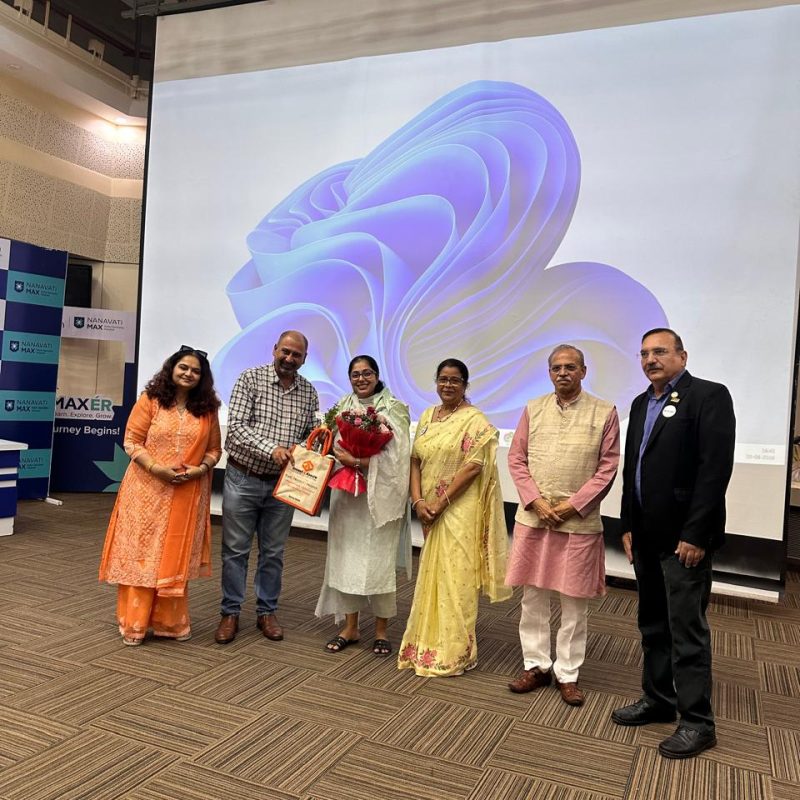
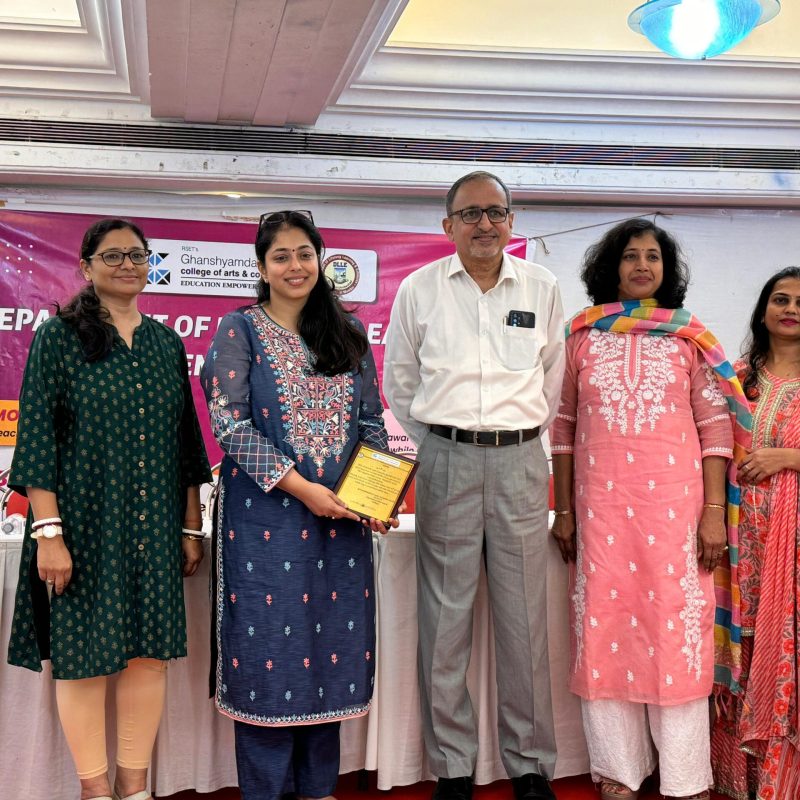
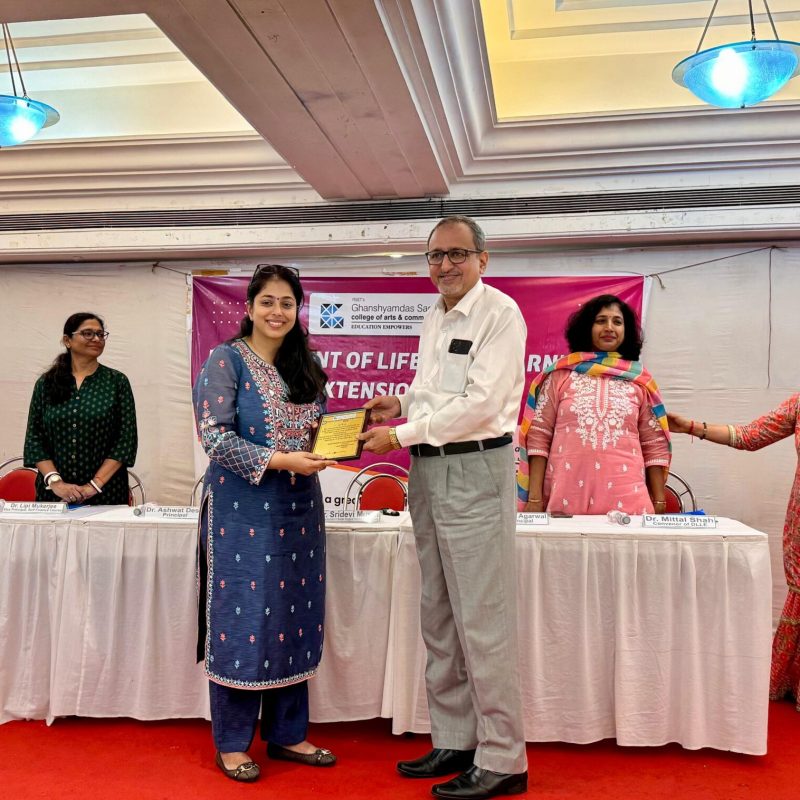
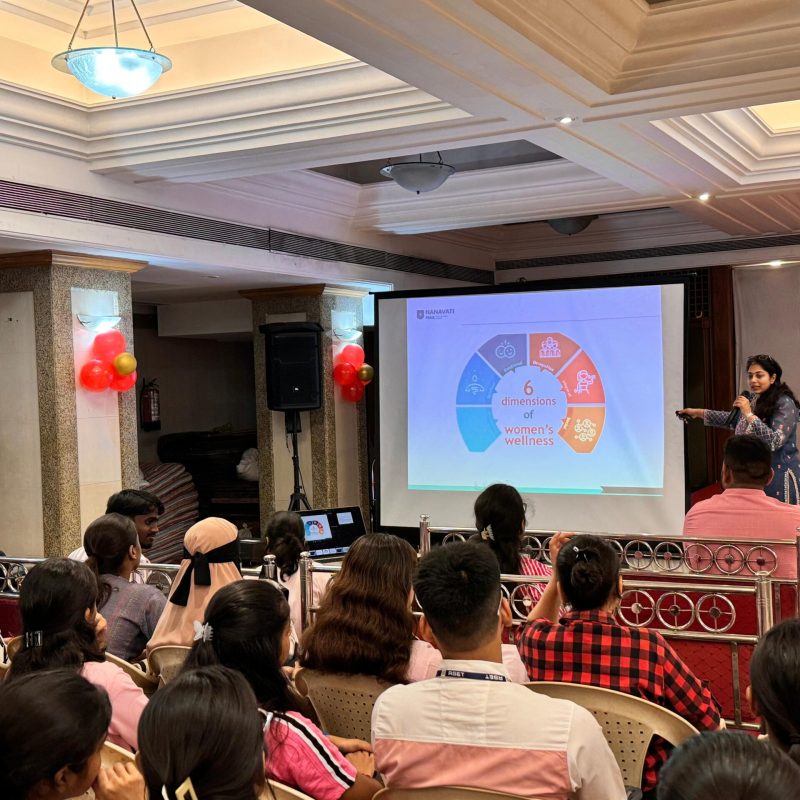
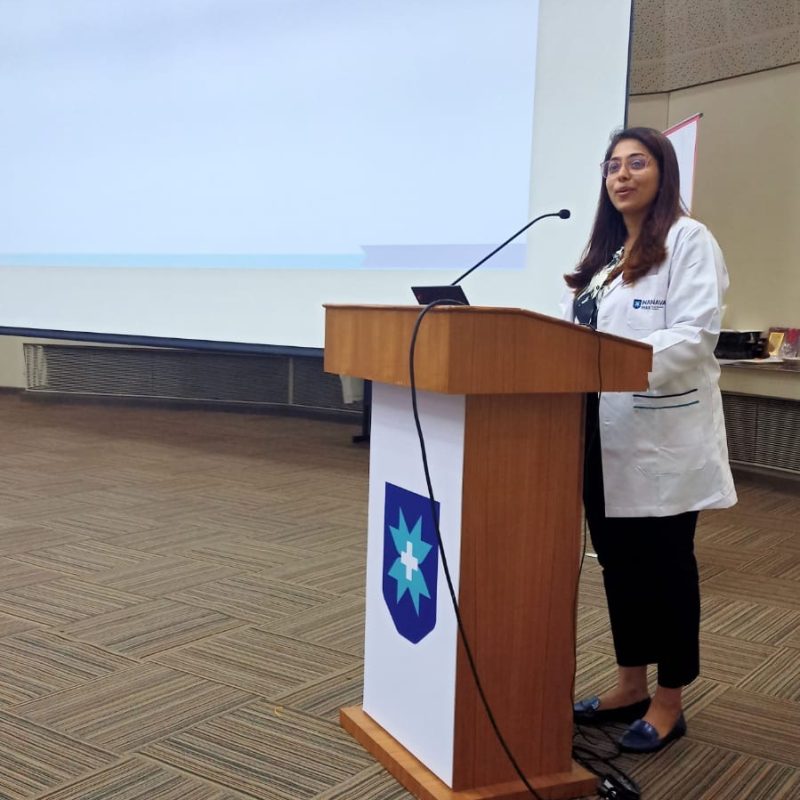
Highlights from National and International
Breast Cancer Conferences

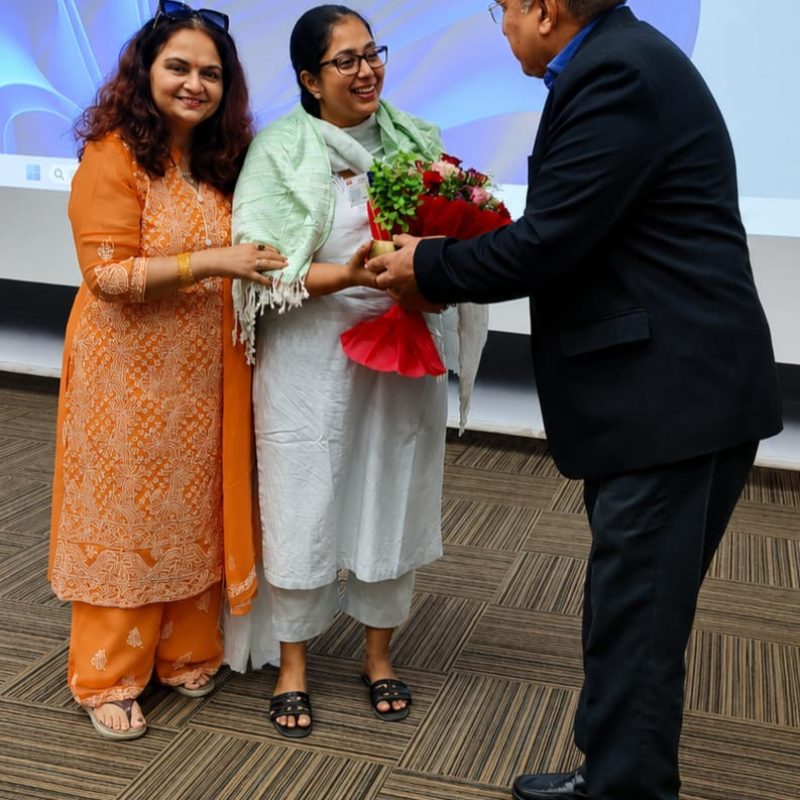
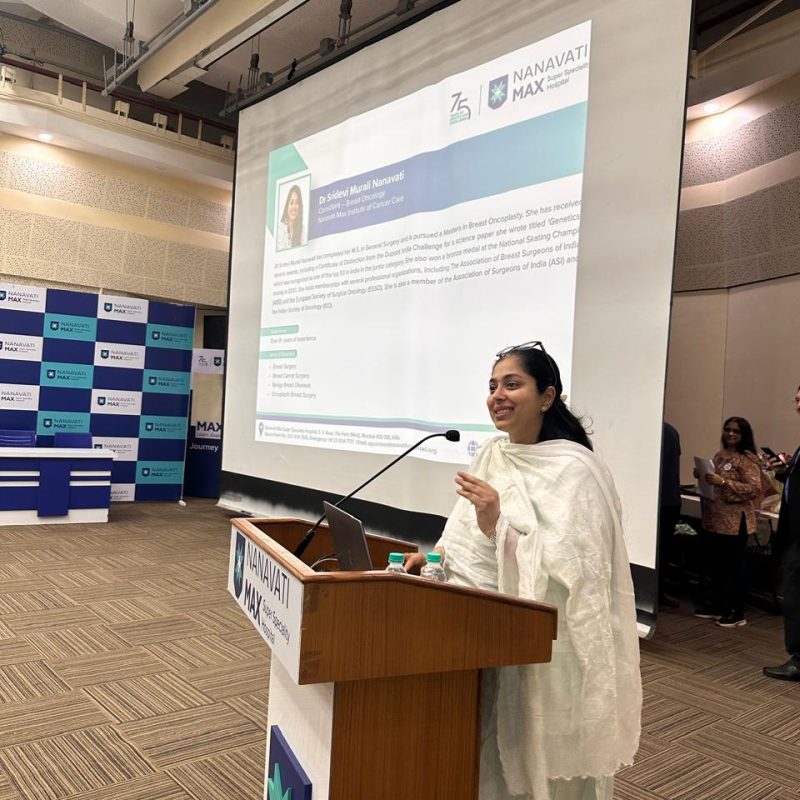
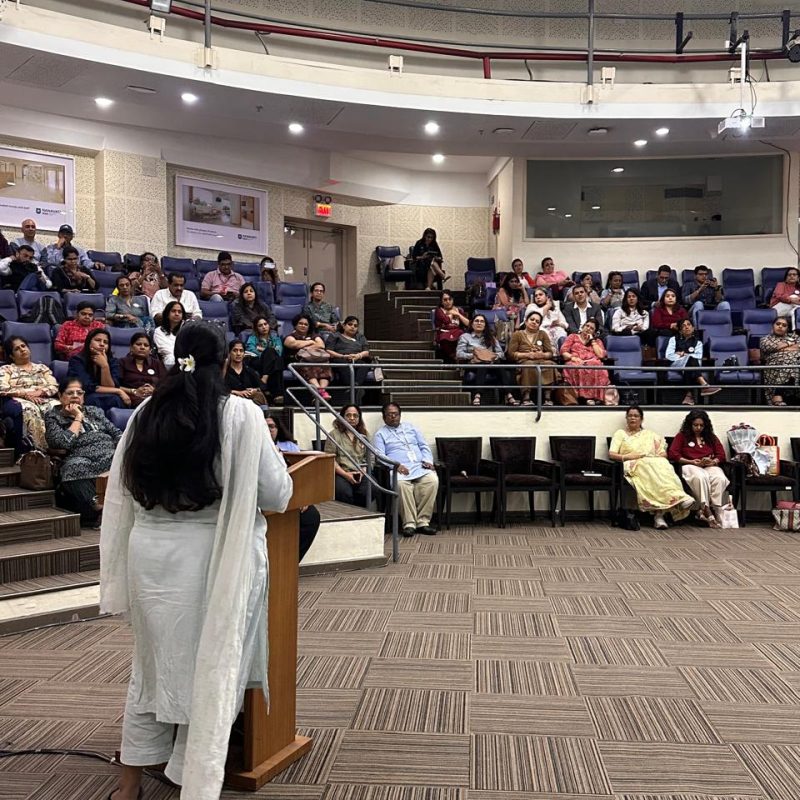
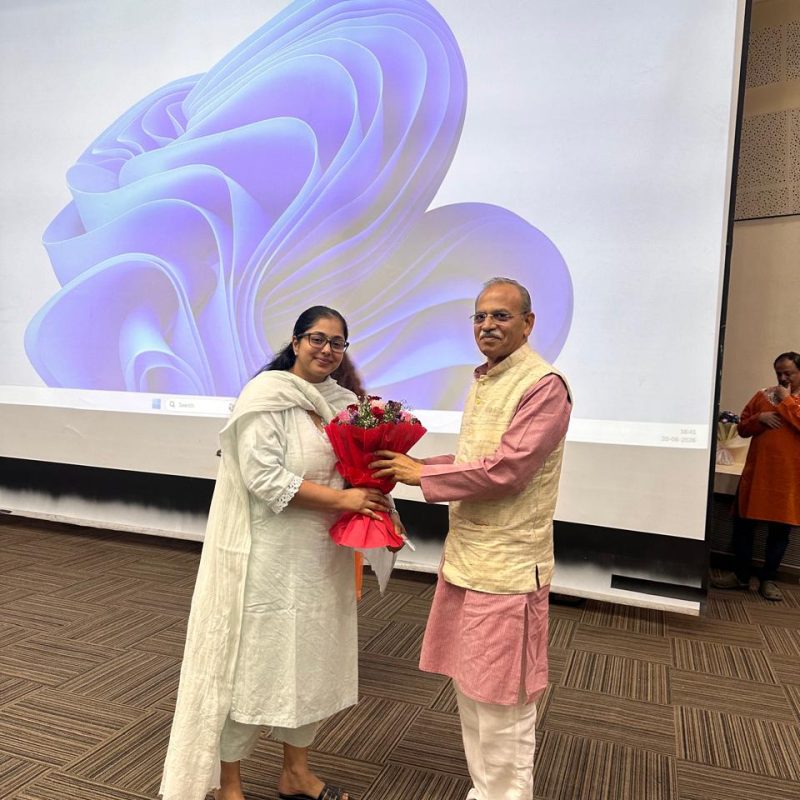
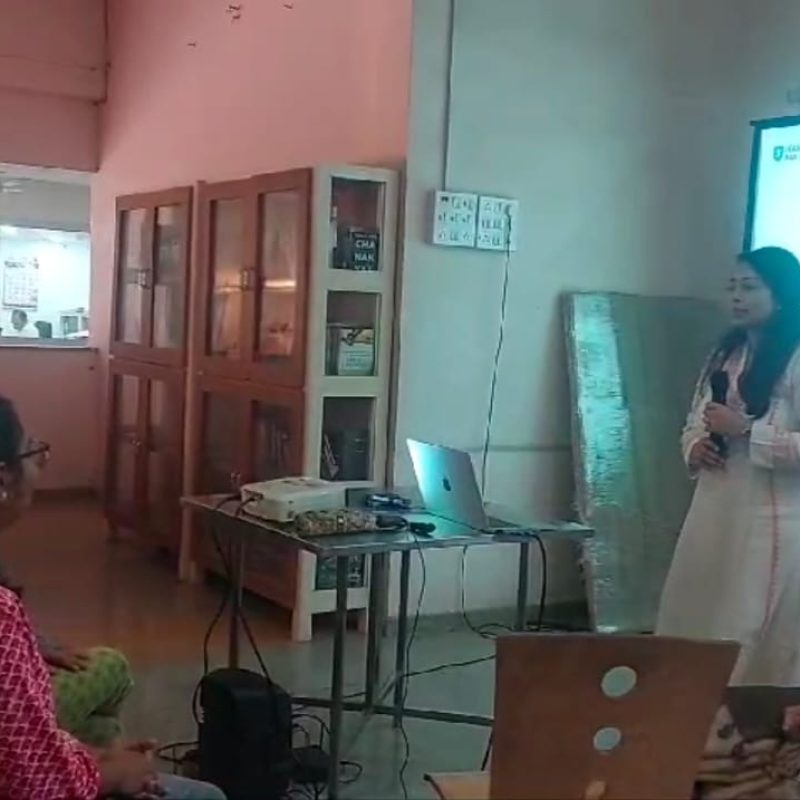
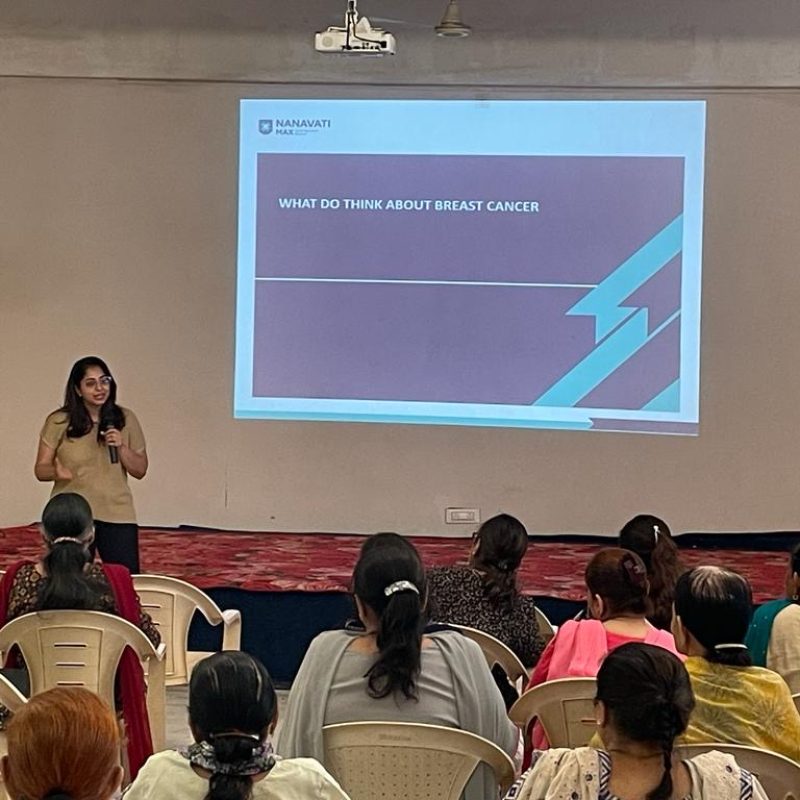
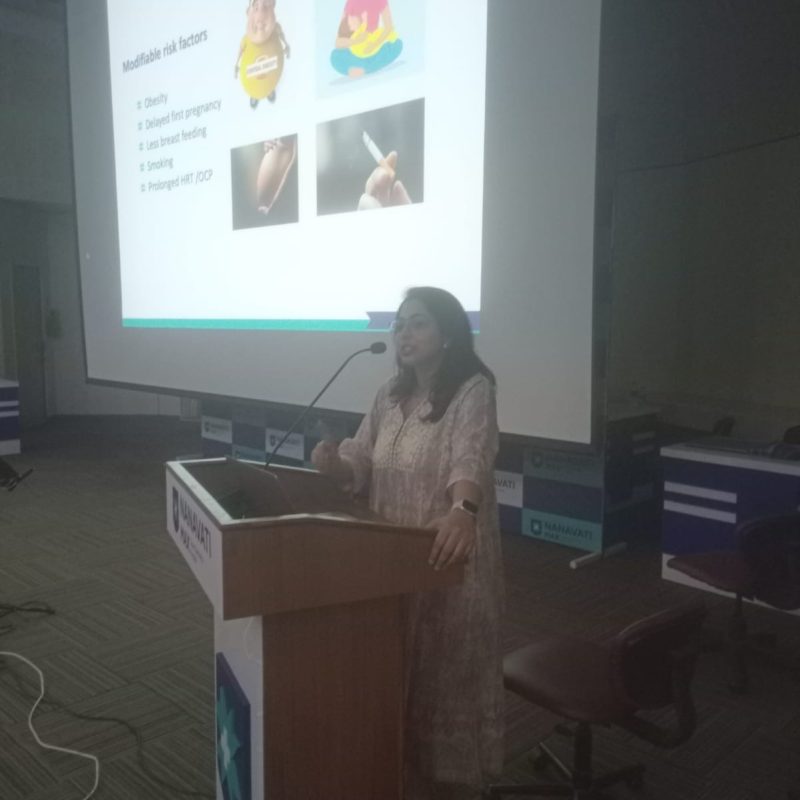
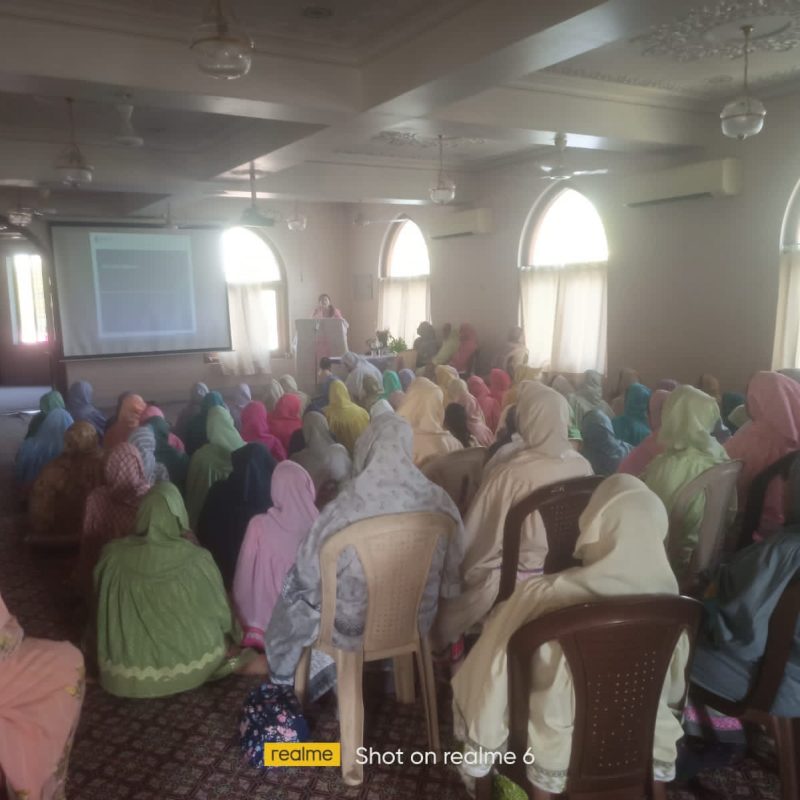
  • Explore moments from Dr. Sridevi Murali-Nanavati’s participation in prestigious medical conferences,
    showcasing her commitment to advancing breast cancer treatment and care.

Edit Template

Where to Book Your Appointment

Dr. Sridevi Murali-Nanavati offers consultations and treatments at two locations

Nanavati Max Super Specialty Hospital, Mumbai

Visit Dr. Sridevi Murali-Nanavati at one of Mumbai's leading hospitals, where you will receive comprehensive care in a state-of-the-art facility.

Breast Care Clinic, Bandra, Mumbai

For a more personalized and private consultation, appointments are available at Dr. Sridevi Murali-Nanavati's exclusive clinic, where individual attention and tailored care are prioritized.

Edit Template

Book Your Consultation

Easily schedule your appointment by filling out our simple form

Home Page(CTA)

Get the Breast Care You Deserve!

If you or a loved one is facing breast cancer or any breast-related issues, contact Mumbai’s leading Breast Cancer Specialist & Oncoplastic Surgeon, for compassionate and expert care.

Edit Template

FAQs on Breast Cancer Surgery & Breast Diseases

Answers to Common Questions About Breast Health and Treatment by Dr. Sridevi Murali-Nanavati

1. Is a breast lump always cancer?

No, most breast lumps are not cancer. The majority of breast lumps — especially in women under 40 — turn out to be benign conditions like cysts, fibroadenomas, or fibrocystic changes. However, any new lump should be examined by a breast surgeon, since imaging and sometimes a biopsy are the only reliable way to confirm whether a lump is benign or malignant.

Ā 

Studies consistently show that up to 80-90% of breast lumps evaluated turn out to be non-cancerous. That said, a lump’s benign appearance on self-exam is not a diagnosis — factors like age, family history, and how the lump feels (hard, fixed, irregular versus soft, mobile, smooth) only give clues, not certainty. A proper Triple Assessment — clinical examination, imaging (ultrasound/mammogram), and biopsy if needed — is the only way to know for sure.

Ā 

When to get it checked promptly: any new lump that persists through a menstrual cycle, a lump that feels hard or fixed, skin dimpling or nipple changes over the lump, or a lump in anyone over 40.

2. What else can cause a breast lump besides cancer?

Most breast lumps are caused by benign conditions such as fibroadenomas, breast cysts, fibrocystic breast changes, fat necrosis, or infections like mastitis or an abscess — not cancer. These conditions are common, especially in women of reproductive age, and many fluctuate with the menstrual cycle.

Ā 

Common non-cancerous causes include:

Ā 

  • Fibroadenomas — smooth, mobile, rubbery lumps common in women in their 20s and 30s
  • Breast cysts — fluid-filled sacs that often feel smooth and can be tender before periods
  • Fibrocystic changes — lumpy, tender breast tissue linked to hormonal fluctuation
  • Fat necrosis — firm lumps that can form after injury or surgery to the breast
  • Mastitis or abscess — painful, often red and warm lumps caused by infection, more common during breastfeeding
  • Intraductal papillomas — small benign growths inside a milk duct, sometimes causing discharge

Ā 

Even though most of these are harmless, they can feel identical to a cancerous lump on touch alone — which is why clinical evaluation and imaging matter more than self-diagnosis.

3. Are breast cysts dangerous?

Breast cysts are almost always benign and not dangerous. They are fluid-filled sacs that develop naturally in breast tissue, often becoming tender or more noticeable just before a menstrual period, and typically require no treatment unless they are large, painful, or keep recurring.

Ā 

Simple cysts (smooth-walled, fluid-filled, confirmed on ultrasound) carry no meaningful cancer risk. If a cyst is large or uncomfortable, a doctor can drain it with a simple needle aspiration in the clinic, often providing immediate relief. Cysts classified as “complex” on ultrasound (with solid components or thickened walls) need closer follow-up, since a small subset can warrant a biopsy to rule out other causes — this is a precaution, not a sign that the cyst itself is cancerous. Recurrent cysts are common and generally not a cause for alarm.

4. Why is my nipple discharging when I'm not pregnant or breastfeeding?

Nipple discharge outside of pregnancy or breastfeeding is usually caused by benign conditions such as hormonal fluctuations, fibrocystic changes, duct ectasia, or a benign intraductal papilloma — but it should still be evaluated by a breast surgeon, especially if it’s spontaneous, from one breast only, or bloody. Certain medications (including some antidepressants and blood pressure drugs) and thyroid conditions can also cause discharge.

Ā 

Discharge that’s usually low concern: milky or clear discharge from both breasts that only appears with squeezing — often linked to hormones, medications, or a prior pregnancy.

Ā 

Discharge that needs prompt evaluation:

Ā 

  • Spontaneous discharge (happens without squeezing)
  • Discharge from only one breast, from a single duct
  • Bloody, pink, or dark discharge
  • Discharge accompanied by a lump, skin changes, or nipple retraction

Ā 

Evaluation typically involves a clinical breast exam, ultrasound or mammogram, and sometimes a ductogram or duct excision if a papilloma is suspected. Most causes turn out to be benign, but because a small proportion of single-duct bloody discharge cases are linked to ductal carcinoma or DCIS, timely assessment is recommended rather than watching and waiting.

5. What is the role of a breast surgeon in cancer treatment?

A breast surgeon specializes in diagnosis and surgical management of breast cancer. They also coordinate with a multidisciplinary team of oncologists, radiologists, and plastic surgeons for comprehensive treatment and follow-up care.

6. How does breast reconstruction surgery work?

Breast reconstruction can be done at the same time as the mastectomy (immediate reconstruction) or at a later date (delayed reconstruction). The breast surgeon may use implants or tissue from other parts of your body to recreate the breast.

7. What is Lipomodelling, and how does it help?

Lipomodelling, or fat grafting, is a technique where fat is transferred from one area of the body to the breast. It is used after breast cancer surgery to enhance cosmetic outcomes and improve breast contour.

8. What should I expect during recovery after breast cancer surgery?

Recovery time varies based on the type of surgery. After breast-conserving surgery or mastectomy, most patients resume normal activities within 1-2 weeks. After reconstruction, recovery may take few weeks, with guidelines for caring for the surgical site, managing discomfort, and gradually returning to daily activities.

9. Is breast cancer surgery safe?
Breast cancer surgery is generally considered safe, but like all surgeries, it carries some potential risks such as infection, bleeding, or complications related to anaesthesia. However, these risks are relatively low. Your surgeon will discuss any specific risks with you, taking into account your overall health and any pre-existing conditions or comorbidities that may increase the likelihood of complications. Comprehensive pre-surgical evaluations and modern surgical techniques help minimize these risks.
10. How do I prepare for breast surgery?
Your surgeon will provide specific pre-surgical instructions, which may include medical evaluations, stopping certain medications, and fasting. Be sure to bring all your films and reports on the day of surgery. (Details in the patient education tab)
11. Will I need additional treatment after surgery?
Depending on the cancer stage and type, additional treatments such as chemotherapy, radiation therapy, or hormone therapy may be recommended to reduce the risk of recurrence.
12. How often should I have follow-up visits after breast cancer surgery?
Typically, you’ll need to see your doctor every 6 months for the first 5 years, then annually for the next 5 years, and every 2 years after that. Your doctor may adjust this schedule based on your individual case.
13. What can I do to lower my risk of breast cancer?
Risk-reducing strategies include maintaining a healthy lifestyle, regular exercise, limiting alcohol intake, and keeping a healthy weight. Regular breast screenings are essential for early detection, especially if you have a family history of breast cancer.
14. How does breast cancer affect fertility and pregnancy?
Some breast cancer treatments can affect fertility. If you are concerned about future pregnancy, discuss fertility preservation options with your healthcare team before starting treatment. Pregnant women with breast cancer can receive treatment, but options depend on the pregnancy stage and cancer type.
15. What support is available for breast cancer patients?
Emotional and psychological support is vital during breast cancer treatment. Many healthcare facilities offer access to support groups, counselling, and survivorship programs to help you navigate the journey.
Edit Template

Find Us Here

Locate Our Clinic in Mumbai
for your Breast Care

Edit Template

Book Your
Consultation Today

Get expert care from a leading Breast Oncoplastic SurgeonĀ inĀ Bandra

Popup Form Active